Alopecia Areata
Alopecia Areata Hair Loss Cause, Symptom & Treatments: Alopecia hair loss is an autoimmune disease that causes hair loss; it completes baldness, Nu Hair of TX guide how to get your hair back. This information is not a substitute for the medical advice, diagnosis, or treatment of a health care provider and or examination and assessment of a patient’s specific and unique circumstances.
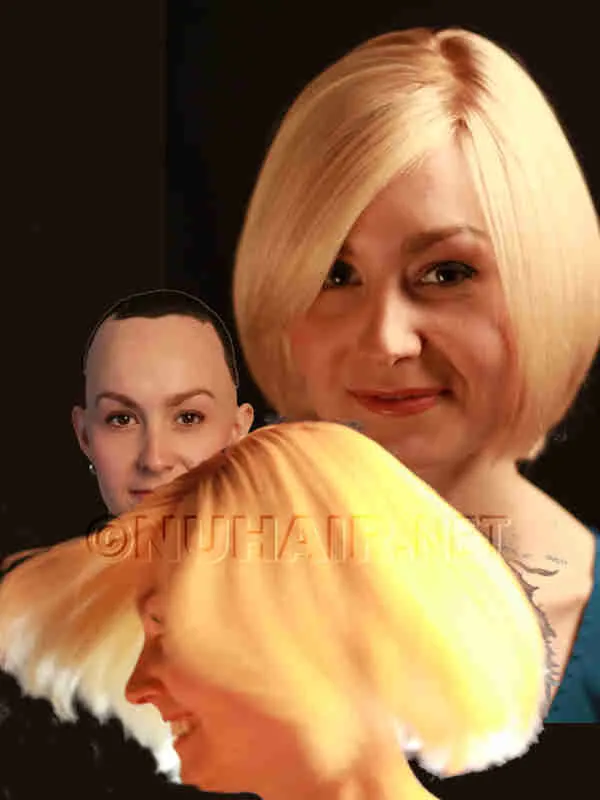
Alopecia Areata is a progressive autoimmune skin disease. According to the National Alopecia Areata Foundation, this autoimmune condition affects millions of people of all ages and backgrounds. Nu Hair of Texas, the Dallas hair loss treatments specialist, can help you understand your options and discover easy ways to get your beautiful hair back.
Understanding the autoimmune condition
Alopecia Areata is a progressive autoimmune skin disease. According to the National Alopecia Areata Foundation:
It affects everyone
Men, women, and even children experience this autoimmune condition.
Millions are affected
It affects more than 7 million Americans and approximately 2.1 percent of the world population.
All ages & backgrounds
People of all ages and ethnic backgrounds are affected by Alopecia Areata baldness.
A genetic link
Scientists believe that the cause is partially genetic.
Are you losing your hair?
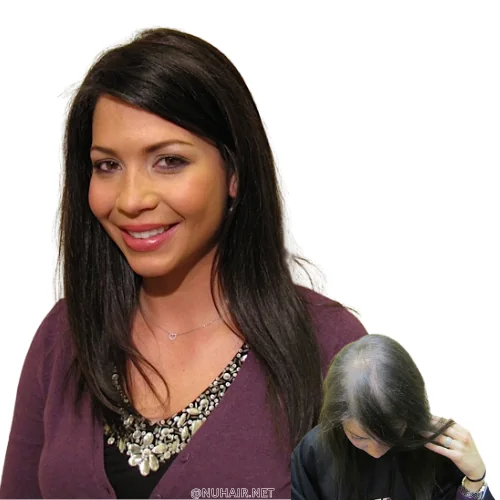
Alopecia areata is highly unpredictable, and the signs can appear suddenly. Recognizing the early symptoms helps you understand what is happening and explore your options for laser hair therapy and nonsurgical hair replacement at Nu Hair of Texas.
What alopecia areata can look like
Patchy hair loss
Commonly it begins as isolated patches of hair loss, usually in one or more coin-sized patches.
Slowed regrowth cycle
The hair shaft becomes smaller in size and hair regrowth cycle slows down. Result is no new hair growth and complete hair fall.
Total hair loss for some
But for some, there is a total hair loss on the head, face, and all body areas.
Highly unpredictable
This autoimmune disease is highly unpredictable. The hair may or may not grow back.
Results vary
With some patients, hair grows back but may fall out again later. For others, the hair regrows, and the alopecia areata condition never recurs.
The three main forms
Alopecia areata
This is the most common form, with coin-sized bald patches on the scalp or other areas of the body
Alopecia Totalis
Extensive and total hair loss of the scalp
Alopecia Universalis
Alopecia Universalis is a universal loss of all body hair, including eyelashes, eyebrows, and pubic hair.
What causes alopecia areata?
The immune system
The body’s immune system attacks its healthy hair follicles but scientists don’t know the exact cause why alopecia disease occurs.
Family history
It most often occurs in people who have a family history of other autoimmune conditions, such as rheumatoid arthritis, thyroid disease, or lupus.
Thyroid disease
Alopecia areata and thyroid disease are frequently associated.
Unknown genes
Researchers debate if specific unknown genes may contribute to the development of this condition.
Partially genetic
Scientists believe that the cause is partially genetic. However, both parents must contribute several specific genes for their child to develop the condition.
Environmental factors
Environmental factors may also contribute to the condition.
Options that may stimulate hair growth
It takes about four weeks for new hair growth to become visible. Side effects of injections may be mild swelling, pigment change, or small indentations in the skin that go away. How to cope with your hair loss?
Anti-inflammatory medications
Oral and multiple injectable anti-inflammatory medications, like steroid hormone or Cortisone stimulate hair growth
Corticosteroids
Corticosteroids injections or topical lotions
Hair growth medications
Hair growth medications like Minoxidil
Medical wigs & hairpieces
Medical wigs & hairpieces
You are not alone
Living with hair loss can be challenging. Remember that you are not alone. Nu Hair of Texas offers the MEp90 laser treatments and the FDA-approved, prescription-strength HD+ laser cap you can use at home. Studies done with the MEp90 and approved by the FDA have been proven in clinical studies to promote measurable new hair growth for Androgenetic Alopecia. It may help in your case, especially if your hair starts growing out again.
Care for and protect yourself
Use sunscreen
Protect yourself and use sunscreen for all exposed areas.
Protect your eyes
Use sunglasses to protect your eyes from the excessive sunlight and dust if hair loss is evident on the eyebrows or eyelashes.
Cosmetic alternatives
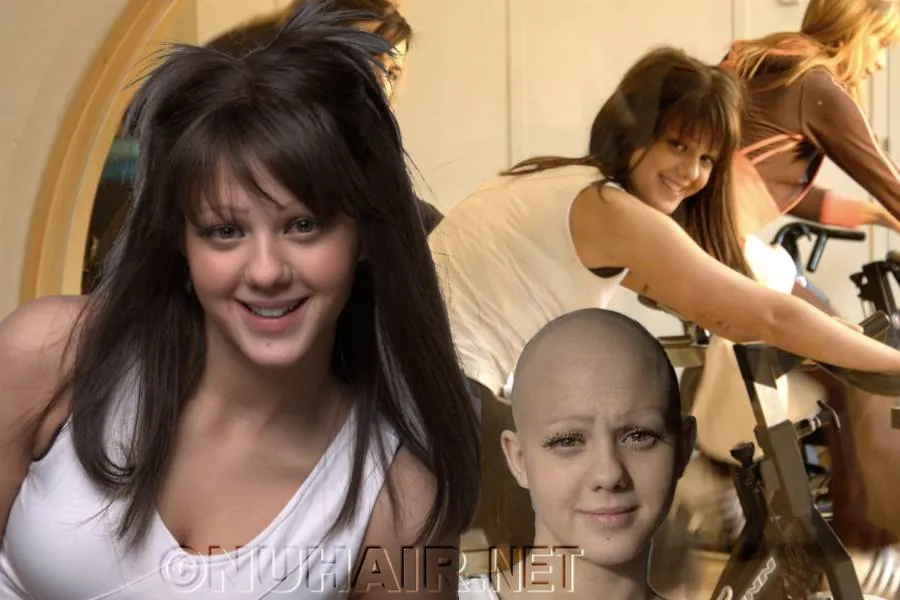
Cosmetic alternatives, such as hair replacements, hairpieces, or wigs, can help cover and protect the scalp from the sun.
Trusted alopecia resources
National Alopecia Areata Foundation
Education, community, and the latest research on alopecia areata for patients and families.
Alopecia Areata – American Academy of Dermatology
Dermatologist-reviewed guidance on the causes, symptoms, and treatment of alopecia areata.
Discover easy ways to get your beautiful hair back
Discover easy ways to get your beautiful hair back and tips to optimize your hairstyle. To schedule your private no-obligation and “no pressure” consultation, use the CONTACT form with any questions or concerns. By Appointment Only.