Hair transplant
Hair Transplant: Surgical hair replacement procedure, recovery & risks, Dallas, Texas review. Learn the types of hair transplant. Hair transplants, what to expect? What are the costs of hair transplant treatments? Are there any risks or side effects? Do you have enough donor's hair? There are nonsurgical hair treatment options for hair loss in Dallas-DFW, Texas.
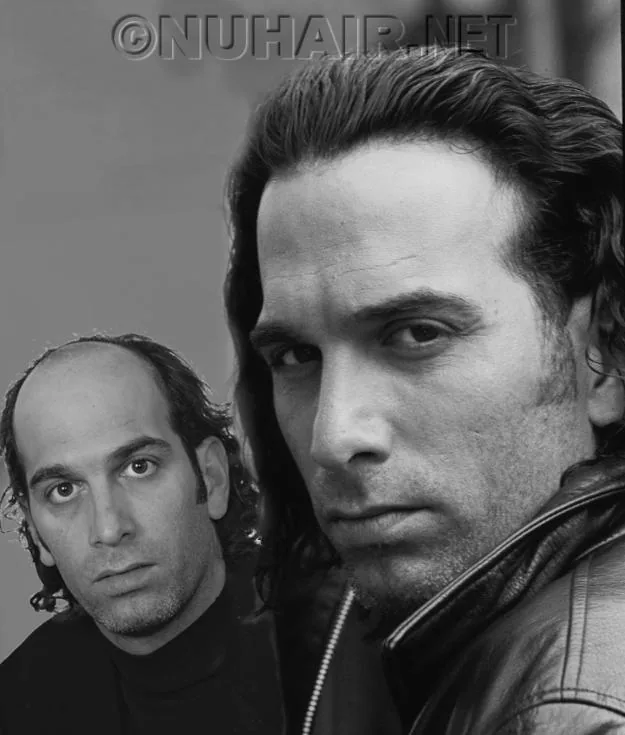
Surgical hair replacements are medical hair restoration treatments to restore hair regrowth. A hair transplant is a dermatological surgery. Medical doctor implants hair grafts in a thinning or bald scalp area moved from the donor area. Usually, a surgeon moves donor hair from a high density of hair on the back and side of the head to the balding area of the top of the head.
Hair restoration surgery done by an expert surgeon should improve your appearance. However, the regrowth of hair results may not necessarily measure your expectations. Therefore, talk to your doctor and determine what to expect with your hair transplant results.
Above all, whether you are the right candidate for this hair restoration with an ample area of donor's hair to proceed with the surgery. The doctor will use your dense site to harvest healthy plugs of hair graft.
How surgeons harvest and place grafts
Strip harvesting hair transplantation
A linear strip of scalp with hair is removed from the donor area, then dissected into individual grafts for placement.
Robotic hair restoration surgery
Robotic assistance helps the surgeon harvest follicular units with precision during the transplant procedure.
Slit grafts and micrografts hair transplants
Smaller grafts containing one to several hairs are placed into tiny slits to rebuild a natural-looking hairline.
Results
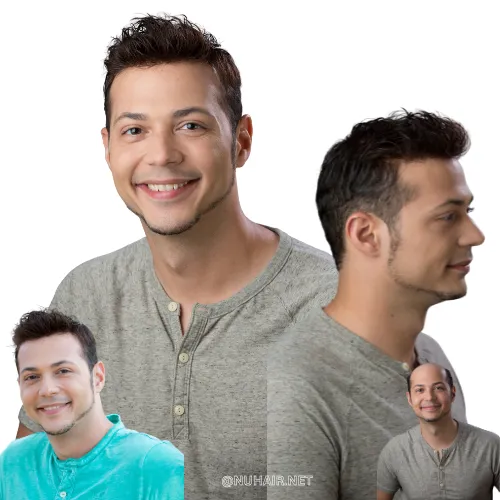
Surgical hair restoration is best suited for hair loss patients in the early stages of hair thinning but with ample thick hair donor area. Doctors will not perform hair transplantation surgery unless you have enough donor area for hair to be moved and cover the balding area. To clarify, hair transplant candidates must have healthy hair growth at back of the head and sides of the head to serve as donor areas for the follicles grafts hair transplantation.
How To Choose Your Doctor?
To choose the best hair transplant surgeon, meet your doctor before committing. On your first visit to the hair restoration clinic, ask what type of hair transplant technology the surgeon uses. For example, a Dallas, Texas, hair restoration clinic uses NeoGraft hair restoration technology to restore hair.
Importantly, discuss your expectations with your medical surgeon, who will perform the hair transplant surgery. Be sure to ask about your concerns during your consultation before the first hair transplantation surgery.
Costs variables
Hair transplants are cosmetic procedures. Therefore, health insurance won't pay for the process. The surgery may involve additional out-of-pocket costs. Your hair loss worsens over time as the more typical age-related baldness pattern. You will need to repeat the hair restoration surgery as the hair loss progresses with age. Hair transplants can range from about $4,000 to $15,000 per session. Final costs may depend on the following:
The amount of hair to transplant
More grafts and larger balding areas raise the total cost of the hair transplant session.
Cost of surgery in your area
Pricing varies by clinic and region, so estimates differ from one market to the next.
Years of the doctor's hair transplantation expertise
A more experienced hair transplant surgeon typically commands a higher fee for the procedure.
Surgery technique
Micrografts contain a follicular unit, a group of 1 to 3 hair that grows naturally together, including glands, muscles, nerves, and blood vessels. Slit grafts, called strip harvesting, have 4 to 10 hair per graft.
FUT (follicular unit hair transplant) is hair transplantation by cutting out a linear incision of a strip of scalp skin with hair of 1/2" to 1" wide and 4-5" long from the donor area. The surgeon takes strips of the hair section, including skin and roots, from the donor area of the back and sides of the head where hair density is thick.
Then, the surgeon stitches the cut skin together so that it can heal. Assistance dissects and divides the strip of scalp tissue with the hair into individual grafts containing 1-3 strand units.
In follicular unit extraction (FUE), a surgeon will extract hair sections of a group of 2-4 hair roots using a 1 mm circular incision size with a needle, leaving tiny holes in the donor area. Then this hair is placed in precut holes at the balding area. Thousands of grafts move in a single session in hair transplant surgery. A single hair transplant session takes four hours or more.
There is no linear scar left behind in FUE transplantation like with FUT. Only small dot scars are left behind. However, FUE all over scarring distorts adjacent follicular units and complicates subsequent sessions, which limits future donor supply. FUE is best for people who may only need a small number of grafts.
Donor
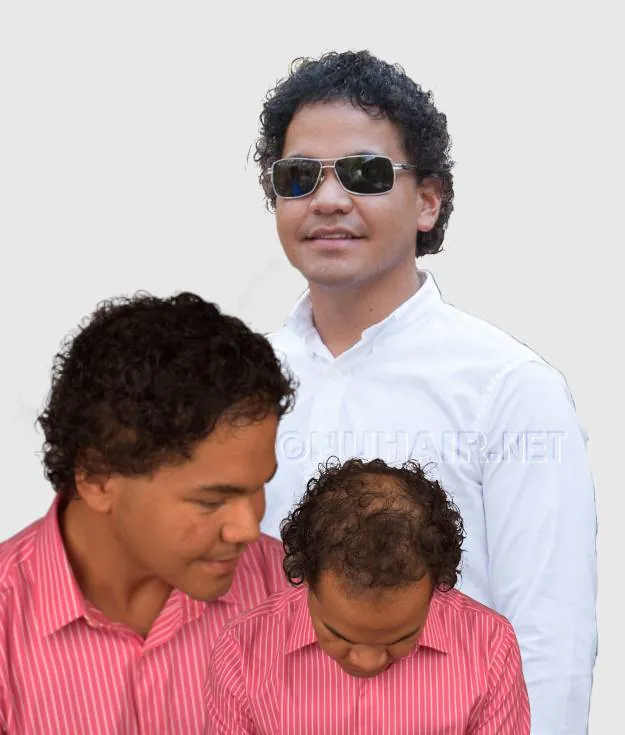
Do you have enough donor's hair? "Note that if you have been diagnosed with alopecia areata, you are not a candidate for hair transplants," said Marvin Friedman, a hair restoration specialist in Dallas, who is not an ideal candidate for surgical hair restoration:
When a hair transplant isn't the right fit
Severe, scalp-wide hair loss
Men and women with severe hair loss throughout the scalp
Insufficient donor density
Hair density in the donor areas of the back and sides of the head does not support enough hair to be plucked out and removed.
Visible head scars
People with visible head scars from injury or surgery should avoid hair transplants.
Medication-related hair loss
Doctors will not perform hair restoration surgery if hair loss is due to medication such as chemotherapy. The patient should let the hair grow back after treatments stop.
Gain insights to risks
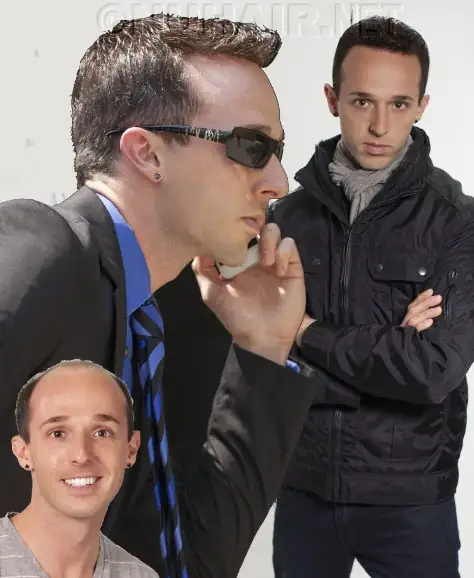
Before you commit to surgery, understand the potential risks and side effects that can come with a hair transplant.
Hair transplant risks & side effects
Dormant follicles may not grow
If transplanted hair is dormant hair follicles, it may no longer grow hair.
Bleeding, scarring, or infection
Be aware of a slight potential risk of bleeding, scarring, or infection. Numbness or lack of sensation may occur in either area of incisions.
Hair loss continues
Hair transplant presents a problem as hair loss continues after the operation. So, the transplanted hair will thin over time. It's the natural progression of male pattern baldness.
Transplanted hair can fall out
The newly transplanted hair might fall out too.
Noticeable hairline
If the hair is thin, there is a noticeable hairline of the implanted hair.
Wild or unnatural regrowth
Hair may grow as wild hair in the crown area or a fuzzy unnatural-looking regrowth.
May still need a hair system or wig
These results are not attractive, and one may need a hair system or a wig to hide the area.
Nonsurgical hair replacement before and after. Easy Way to Get Your Hair Back.
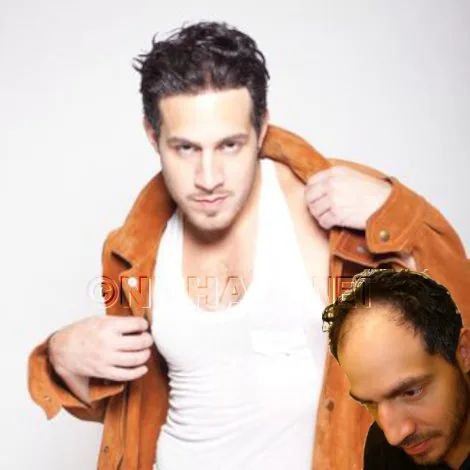
Michael
Nonsurgical hair transplant alternative — a natural men's hair replacement system, DFW, TX.
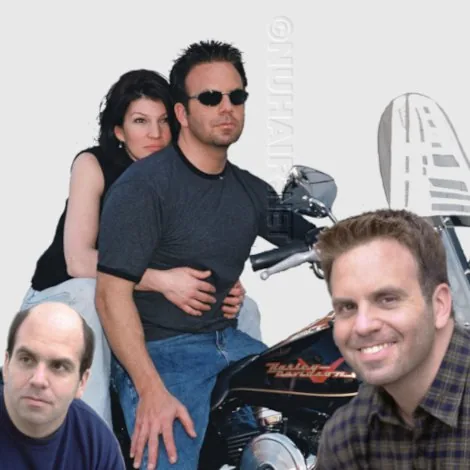
Steven
Men's hair restoration — nonsurgical hair replacement that replaces a hair transplant in Dallas, Texas.
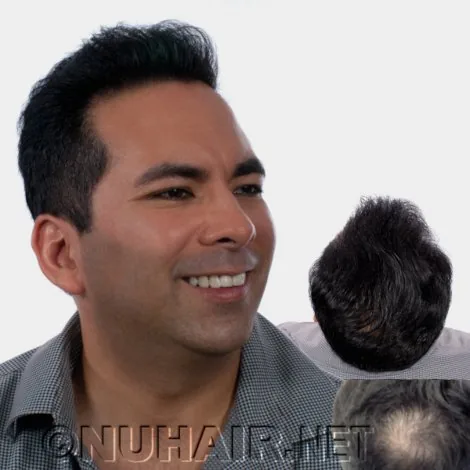
Charles
Hair loss treatment solutions — men's laser hair restoration, DFW.
Real clients. Real results. 972-490-7766
"I'm back to my outgoing self. Getting my hair back helped me improve my outlook on life. It was more than just the hair. When you start taking care of yourself, start enjoying outside activities, you realize that life is pretty awesome." — Tony
Nu Hair of Texas center is in North Dallas, just off Preston Rd and 635 Freeway, close to Addison, and minutes away from Allen, Arlington, Frisco, Garland, Irving, McKinney, Richardson, Plano, Texas area. Our central location is only 30 minutes drive from Fort Worth.
We are proud to be one of the USA's oldest companies, offering nonsurgical hair replacement solutions with the highest quality and service rating. Our Texas hair restoration specialists in Dallas evaluate and design the best hair restoration for your needs. We are committed to helping you regain fuller, natural appearing hair and live carefree with confidence. Hair restoration that gets results!
Get in Touch
You're in control – Discover easy ways to get your beautiful hair back and tips to optimize your hairstyle. To schedule your private no-obligation and "no pressure" consultation, use the CONTACT form with any questions or concerns. By Appointment Only.