Hair Loss diagnosis
Diagnosing Hair Loss: Hair loss is best diagnosed and treated by a physician. Medical diagnosis tests measure the severity of hair loss, including blood, hair sample, & scalp biopsy. This information is not a substitute for a health care provider’s medical advice, diagnosis, treatment, or examination and assessment of a patient’s specific and unique circumstances.
A physician’s diagnosis finds the cause
According to the American Academy of Dermatology, regular hair loss is about 50 to 100 the strand of hair falls. Indeed, the hair regrowth process may slow or stop as we age, and thin or bald areas may occur. Anagen effluvium is the abnormal diffuse hair loss during the growth phase caused by an event that impairs hair follicle activity. However, there are many abnormal conditions to cause hair to fall prematurely. A simple blood test can help in hair loss diagnosis and uncover the cause of the hair loss. Causes vary from disease, vitamin deficiency, and hormone imbalance to hereditary conditions. Dermatologists best evaluate alopecia and skin disorder.
Real hair. Real people. 972-490-7766
What causes your hair loss?
The Dallas, TX hair restoration expert advises consulting your doctor with about hair loss diagnosis, the cause of your hair loss, and the best treatment for you. Did you know if you see rapid hair shedding or balding in patches, you should see a medical professional? Seek a doctor to evaluate potential diagnostic and treatment options and information about conditions, treatments, medications, side effects, or risks that may apply. Your physician may request a blood test to show the level of hormones or iron deficiency and examine and take a fungal culture and possibly a biopsy test. Medical scalp biopsies, hair examination, and hair pull tests will help. Your doctor may offer medical treatment to improve the hair loss condition, depending on the cause of your hair loss.
Call: 972-490-7766
Hair loss diagnosis tests may include:
But the above are not limited to the doctors’ hair loss diagnosis.
Medical history
A full review of your health background to surface any condition that could be driving your hair loss.
Physical exam
A hands-on look at your scalp and hair to assess the pattern and severity of shedding.
Pull test
A gentle tug on a small section of hair to measure how readily strands are coming loose.
Scalp biopsy
A small skin and follicle sample examined under the microscope to identify the underlying cause.
Blood tests
Lab work to uncover disease, deficiency, or imbalance that may be behind the hair loss.
Iron deficiency
Checking iron levels, since low iron is a common and treatable contributor to shedding.
Hormone levels – androgens, testosterone
Measuring androgens and testosterone to reveal a hormonal imbalance affecting your hair.
Hair microscopy examination
Close microscopic inspection of the hair shaft to evaluate its health and structure.
Questions that help diagnose your hair loss
Questions your doctor may ask will help diagnose the cause of your hair loss. Expect your doctor to ask for some of the following information.
What medications and vitamins do you take?
Certain medicines and supplements can trigger or worsen hair loss, so your full list matters.
What is your daily diet?
Nutrition and possible deficiencies play a direct role in the health of your hair.
When did you first notice your hair loss?
The timeline of onset helps your doctor narrow down the likely cause.
Is your hair loss seems to be all over or concentrated in patches?
Diffuse thinning and patchy loss point to very different underlying conditions.
Is your hair showing breakage?
Breakage can signal damage or fragility rather than true follicle loss.
Is anyone in your immediate family has a similar problem?
A family history can indicate a hereditary pattern of hair loss.
How is your hair care routine?
Styling habits, chemicals, and tension on the hair can contribute to shedding.
Real hair. Real clients. 972-490-7766
We are dedicated to our clients & their hair. Get your best hair restoration solution at Nu Hair of Texas.
No Surgery Hair Restoration
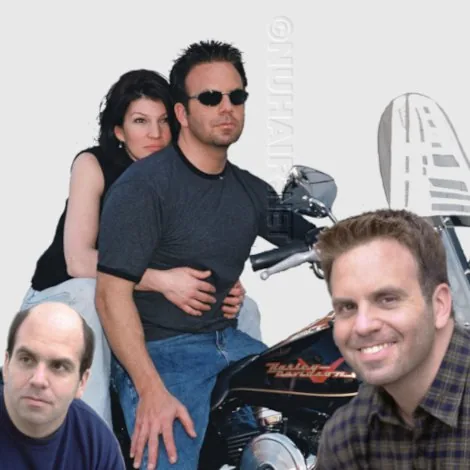
Nonsurgical hair replacement that restores a full, natural look without a transplant — real results from a real Nu Hair of Texas client.

Female Hair Loss Solutions
Custom solutions for women’s hair loss in Dallas, TX, designed to look and feel like your own hair.

Men’s Hair Replacement System
A natural, undetectable men’s hair replacement system from Nu Hair, made for today’s active lifestyle.
Real Clients. Real Results. 972-490-7766
Show & tell balding signs?
What may cause your hair loss & treatment
- Are you a senior & your hair is slowly thinning out? Most likely, it is a normal aging process. Does your hair loss seem to be gradual in front? Male pattern baldness is the answer. Female pattern baldness may also be diffused hair loss all around. For treatments, Rogaine, Propecia, or other medicines are available. Cosmetic hair system hair replacement or surgical hair transplant are other options.
- Are you taking any new medications or steroids? Hair loss may be a side effect of the medicine. It’s time to review your medications and a possible replacement to avoid losing more hair.
- Does your hair fall out in small patches & are these patches red or itchy? Possible Ringworm or other skin condition is affecting the hair follicles. Or it may be Alopecia Areata hair loss, an autoimmune disease that may progress to complete hair loss. A doctor may treat fungal infections with oral medications such as terbinafine or fluconazole. For Alopecia Areata, most likely, treatments will start with corticosteroid treatment used for Alopecia areata or other medicines of choice.
- During menopause, pregnancy, or the months after giving birth, Estrogen levels decrease & testosterone increases, causing hair loss—this cause female hormonal imbalance problem. Your doctor will tackle the hormonal imbalance problem.
- Are you a female using birth control pills? Check the hormonal imbalance problem and consult your doctor about switching to another medication.
- Do you feel abnormally tired or weak? Health issues may cause hair loss, such as the overactive or underactive thyroid gland iron or zinc imbalance.
- Do you feel stress in your life? Do you have anxiety habits like compulsive hair pulling or scalp rubbing? Damage to hair follicles due to nervous behavior is known as trichotillomania. Please discuss with your doctor how to alleviate your stress and address the psychological reasons for the anxiety. Cognitive behavior therapy is effective for the treatment of trichotillomania.
- Are you under chemo and radiation therapies? Hair loss is known to occur while using these products. Hair growth should resume after treatments stop.
- Your hair care routine may cause your hair to fall out. Have you recently used strong chemicals on your hair, like the perm or hair straighter? Are you using tight braids or other hair-pulling styles? Scarring alopecia due to inflammation of hair follicles. Stop any use of harsh chemicals immediately. Also, scarring alopecia occurs in African-American women due to persistent tight hair braiding. Stop pulling your hair roots, and tight braiding immediately.
Sources
- American Academy of Dermatology
- Do you have hair loss or hair shedding?
- The genetics of hair shaft disorders – NCBI
Call 972-490-7766
Discover easy ways to get your beautiful hair back
Discover easy ways to get your beautiful hair back and tips to optimize your hairstyle. It’s all about your hair! To schedule your private no-obligation and “no pressure” consultation, use the CONTACT form with any questions or concerns. By Appointment Only.